





Looking for custom-printed t-shirts or hoodies in Śrem or nearby? Check out what Perfect Print Śrem can do for you!
Perfect-print.pl Online Shopping

Looking for custom-printed t-shirts or hoodies in Śrem or nearby? Check out what Perfect Print Śrem can do for you!
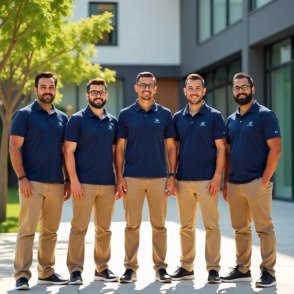
Polo shirts have enjoyed lasting popularity for years as part of corporate, work, or sports apparel. Their universal style, comfortable fit, and ...
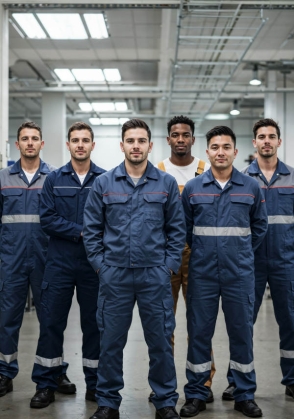
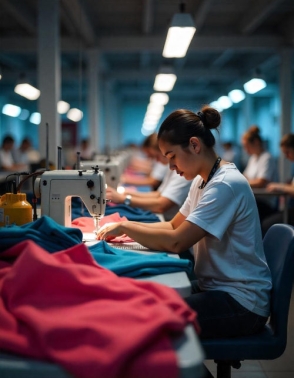
Custom workwear with a company logo is not only protective but also an effective marketing tool. Personalized workwear increases brand recognition ...
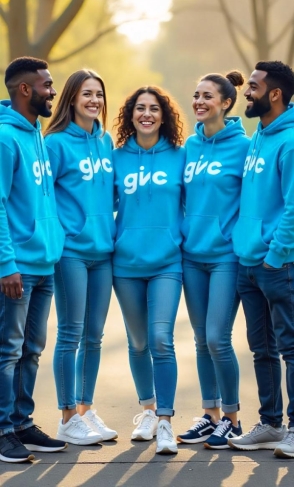
When employees wear custom t-shirts for work, it fosters a sense of unity and belonging. It’s not just about the clothes—it’s about being part of ...
Branded sweatshirts with the company logo or Jackets with company logo can add a touch of warmth and unity during these occasions.
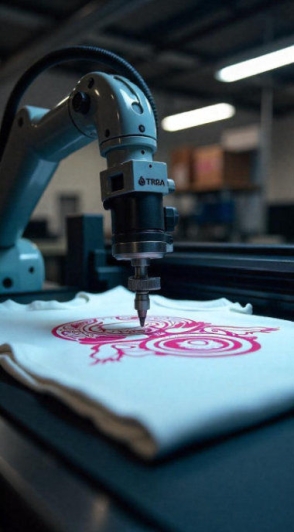
One stencil allows you to print thousands of identical pieces. This method is often used by screen printers to create teamshirts or event t-shirts ...
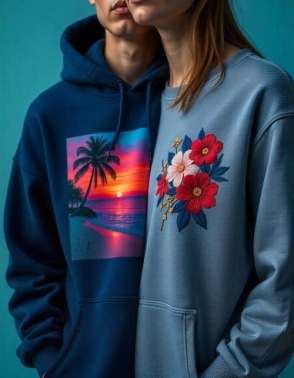
Whether you are considering personalized hoodies, printed T-shirts or embroidered hoodies, each method has its advantages
Highly effective and versatile promotional tool at events. Custom tee shirts can become an invaluable asset for building brand
According to research, 66% of consumers are willing to pay more for products from brands committed to sustainable development.
Ecology will play an increasingly important role. Consumers pay attention to whether products are environmentally friendly.

When it comes to customizing clothing for promotional purposes, events, or even personal use, businesses and individuals often face the decision of whether to use prints or embroidery. Both techniques offer distinct advantages, and understanding their benefits can help you make an informed choice for your apparel. Whether you're considering custom hoodies, custom printed shirts, or personalized embroidered hoodies, each method has its own set of benefits that can impact the overall look, feel, and functionality of the clothing. In this article, we will explore the advantages of prints over embroidery and how you can use them to enhance your brand presence.
Before diving into the comparison, let's briefly define what each technique involves:
Prints: Involves applying a design onto fabric using methods such as screen printing, direct-to-garment (DTG) printing, or heat transfer. These methods transfer ink or other materials onto the surface of the fabric to create vibrant, detailed designs.
Embroidery: Uses thread to stitch a design directly into the fabric. It is typically done with a machine, which uses needles to weave the thread into the garment, creating a raised, textured effect.
Now that we understand the basics, let's compare the benefits of these two methods when it comes to custom shirts, custom hoodies, and other promotional apparel.
One of the most important considerations when choosing between prints and embroidery is the cost.
Prints: Generally, printing methods such as custom printed shirts are more cost-effective, especially for large orders. The setup costs for screen printing, for example, can be higher initially, but they become more economical when producing large quantities. Moreover, create tee shirts with intricate designs can be easily achieved without a substantial increase in cost.
Embroidery: On the other hand, custom embroidered tee shirts designs tend to have higher setup and labor costs, especially if the design is complex or involves multiple colors. The pricing can also rise with the number of stitches required for the design. For smaller batches or individual personalized embroidered hoodies, the cost of embroidery may be higher than that of prints.
Key Takeaway: If you're looking to produce large quantities of apparel, making your own t shirts with printed designs is likely to be more cost-effective. However, for smaller runs or high-end items like logo embroidered shirts, embroidery may be the better option.
The complexity of your design is another factor to consider when deciding between prints and embroidery.
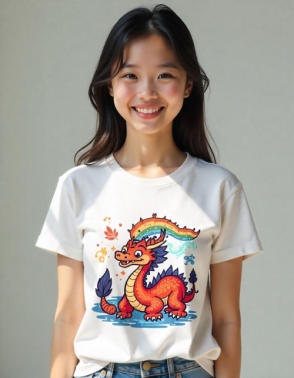
Prints: One of the most significant advantages of prints is their ability to handle highly detailed, complex designs. Whether it's a colorful logo or intricate graphics, printing methods such as direct-to-garment (DTG) printing allow you to reproduce designs with fine detail and vibrant colors. Print own t shirt with gradient effects, small text, or photographic images, which embroidery cannot handle with the same level of accuracy.
Embroidery: While embroidery offers a textured, professional look, it is limited in terms of detail. Designs that involve fine lines or intricate patterns may not translate well into embroidery. Custom embroidered tee shirts work best with simple logos, monograms, or bold text. Tiny text or fine details can be difficult to embroider clearly and may lose their definition in the process.
Key Takeaway: If your design involves intricate details or multi-colored imagery, custom printed shirts with prints will be the better option. For simple, bold designs or personalized embroidered t shirts with logos, embroidery may be the ideal choice.
Both prints and embroidery offer durability, but the longevity of the design can vary based on factors like wear and tear, washing, and fabric type.
Prints: Printed designs, especially those created using high-quality techniques like custom printed shirts, can last a long time if properly cared for. However, over time, prints can fade or crack, especially if the apparel is subjected to frequent washing or harsh conditions. To ensure longevity, it's important to use high-quality inks and ensure that the printing process is done correctly. Personalized t shirts printed with high-end methods like direct-to-garment (DTG) printing are generally more durable than lower-quality screen prints.
Embroidery: Custom embroidered tshirt designs are incredibly durable. Because the thread is stitched directly into the fabric, custom shirts embroidered designs are less likely to fade or wear off over time. They also tend to hold up better after repeated washing, especially when compared to low-quality prints. Polo shirts with logo embroidered also benefit from this durability, making embroidery a good choice for professional uniforms or high-end promotional items.
Key Takeaway: If you’re looking for long-lasting designs that can withstand wear and tear, custom embroidered tee shirts or personalized embroidered hoodies are likely to provide superior durability. However, for high-quality prints that last, be sure to choose reputable t shirt printers and high-end printing techniques.
When it comes to clothing, comfort is an important consideration. Both printing and embroidery affect the feel of the fabric, but in different ways:
Prints: Printed designs, especially those applied with techniques like heat transfer or DTG printing, do not affect the feel of the fabric. The design sits on top of the material, allowing the clothing to remain soft and flexible. This is particularly important when making your own t shirts or custom hoodies for casual wear, as you want the clothing to be comfortable and easy to move in.
Embroidery: Logo embroidered shirts or custom embroidered hoodies have a raised texture due to the thread used in the design. While this adds a nice tactile element to the garment, it can feel a bit stiffer or heavier, especially if the embroidery covers a large area. Some people prefer the feel of embroidered clothing, but it might not be as comfortable for those who want a soft, lightweight feel.
Key Takeaway: If comfort is a priority, especially for items like custom hoodies or custom shirts embroidered, prints are generally the better option. Custom embroidered tee shirts or personalized embroidered hoodies offer durability and a high-quality look, but they can sometimes sacrifice comfort, particularly if the design is large.
Both printing and embroidery offer customization options, but each has its unique strengths.
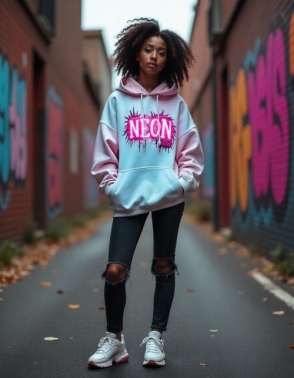
Prints: Printing offers virtually unlimited customization possibilities. Whether you want to design hoodies with vibrant colors, gradients, or intricate designs, printing can handle it all. Making your own t shirts is incredibly flexible, allowing for full-color, multi-design apparel, from small logos to large full-shirt prints.
Embroidery: Embroidery offers a more premium, professional look, especially for corporate settings. While the color range is more limited compared to printing, polo shirts with logo embroidered or custom embroidered tshirt designs can give a more sophisticated, elegant appearance. Embroidery also works well with metallic or specialty threads that can add a unique, high-end touch.
Key Takeaway: If you need a highly customizable design with multiple colors and fine details, custom printed shirts are likely the best choice. For a more premium, professional look with a tactile quality, custom embroidered shirts or personalized embroidered t shirts are ideal.
In the debate between prints and embroidery for your custom hoodies, custom printed shirts, or personalized t shirts, each method has its own advantages depending on your goals. Prints offer a cost-effective, flexible, and detailed option for vibrant, intricate designs, making them ideal for large orders or when comfort is a priority. Embroidery, on the other hand, offers durability, a premium feel, and a professional look, making it perfect for simpler, high-end designs or corporate apparel.
The choice between prints and embroidery comes down to the design, budget, and intended use of the apparel. Whether you choose to print own t shirt or opt for custom embroidered tshirt designs, both options can elevate your brand and make a lasting impression.

Comments : 0